
Reasons to plant shrubs and trees
Why is getting plants in the ground so important?
Every plant you add to your land makes a difference. While we focus on natives, there is a place for your favourites too — just not invasive plants. Here are some of the reasons to plant a tree or two.
1. Make your garden a place of beauty and surprise. Greenery, flowers, scent, and texture transform a bare or tired space into somewhere you enjoy and want to be. And there is always something new to notice — the first flowers of the season, unexpected berries, a mushroom pushing up through leaf litter. Gardens with layers and variety keep revealing themselves over time.
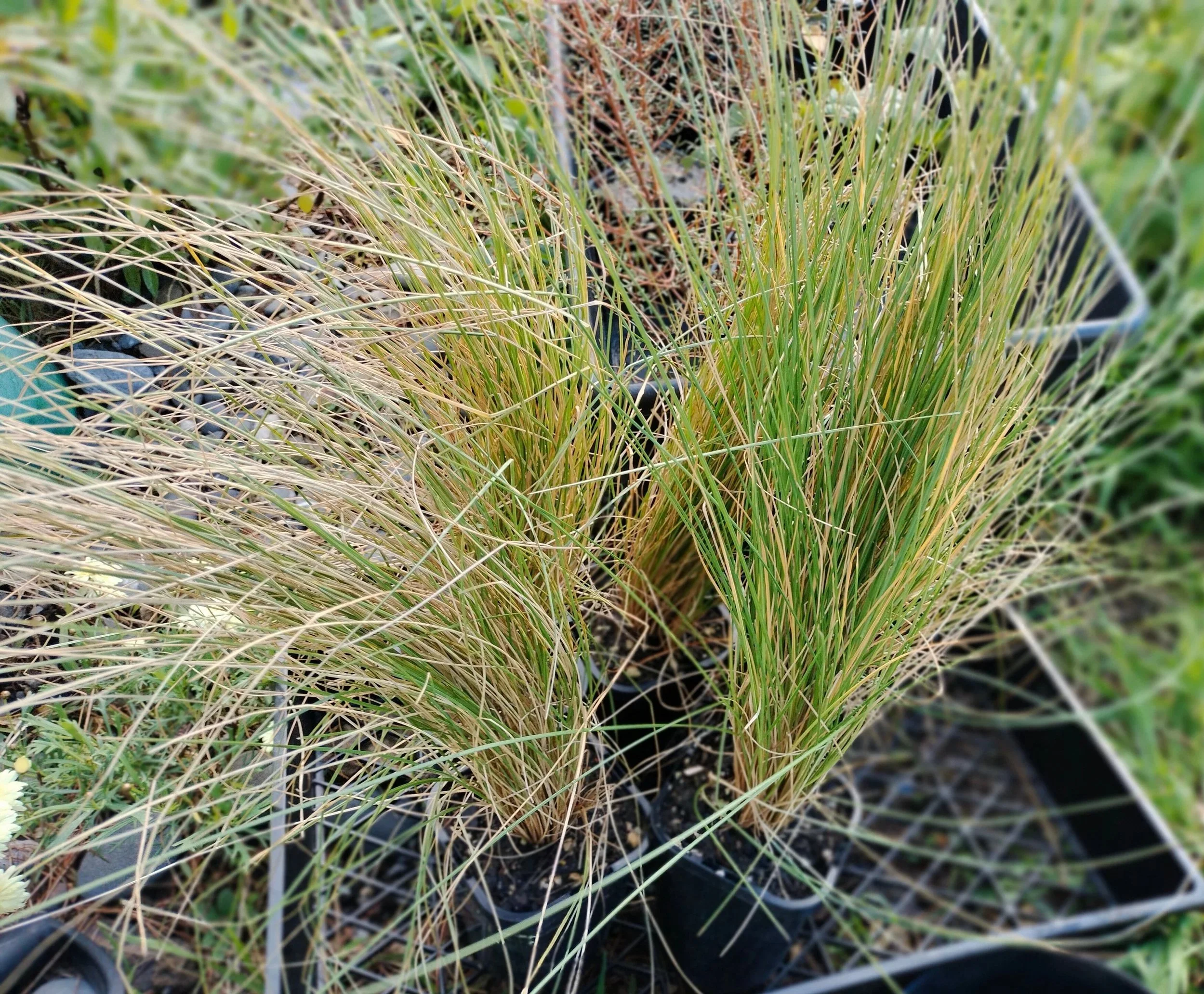
A tray of poa cita native grass ready to plant on a bank.
2. Invite wildlife to your place. Birds, insects, lizards, and countless other organisms need habitat — somewhere to feed, shelter, and move through. When you plant, you create that. In return, your visitors help with pollination and natural pest control, so your garden begins to look after itself a little more.
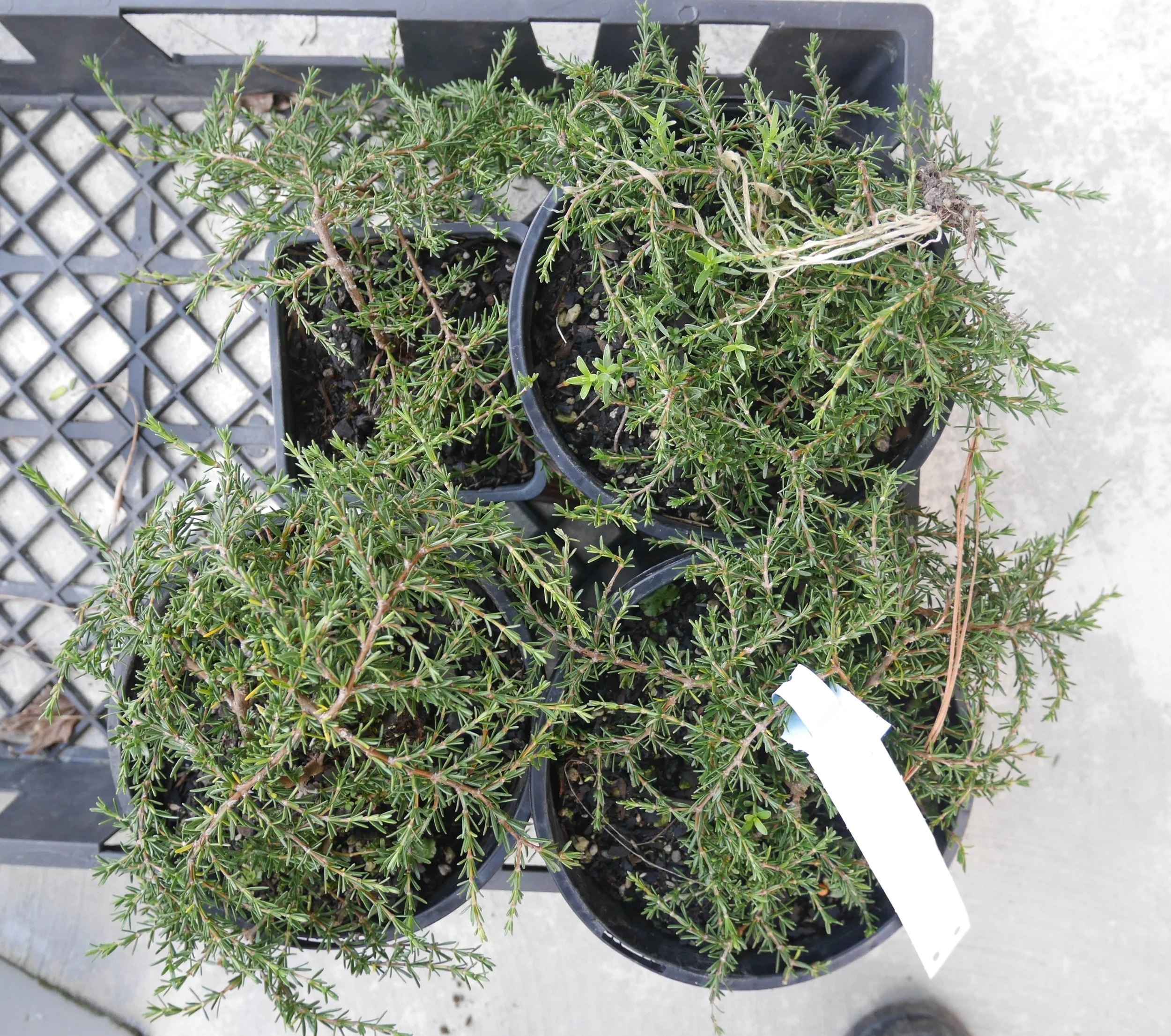
Pots of coprosma Hawera ready to go in and help suppress weeds.
3. Suppress weeds naturally. A planted garden is a busy one, and busy soil leaves less room for weeds to take hold. Ground covers, dense shrubs, and a good layer of mulch all work together to shade out opportunistic plants before they get started.
4. Create shelter, privacy, and shade. Plants can screen an ugly fence or boundary, buffer wind and noise, provide cooling shade in summer, and give a sense of enclosure and calm. Strategic planting is one of the most effective — and beautiful — ways to shape how a space feels.
5. Build a self-renewing garden. Natural bush is never static. Plants grow old, die, and are replaced by the next generation. When you plant at different life stages — seedlings alongside established shrubs alongside mature trees — you replicate that cycle and create a garden that regenerates rather than declines.
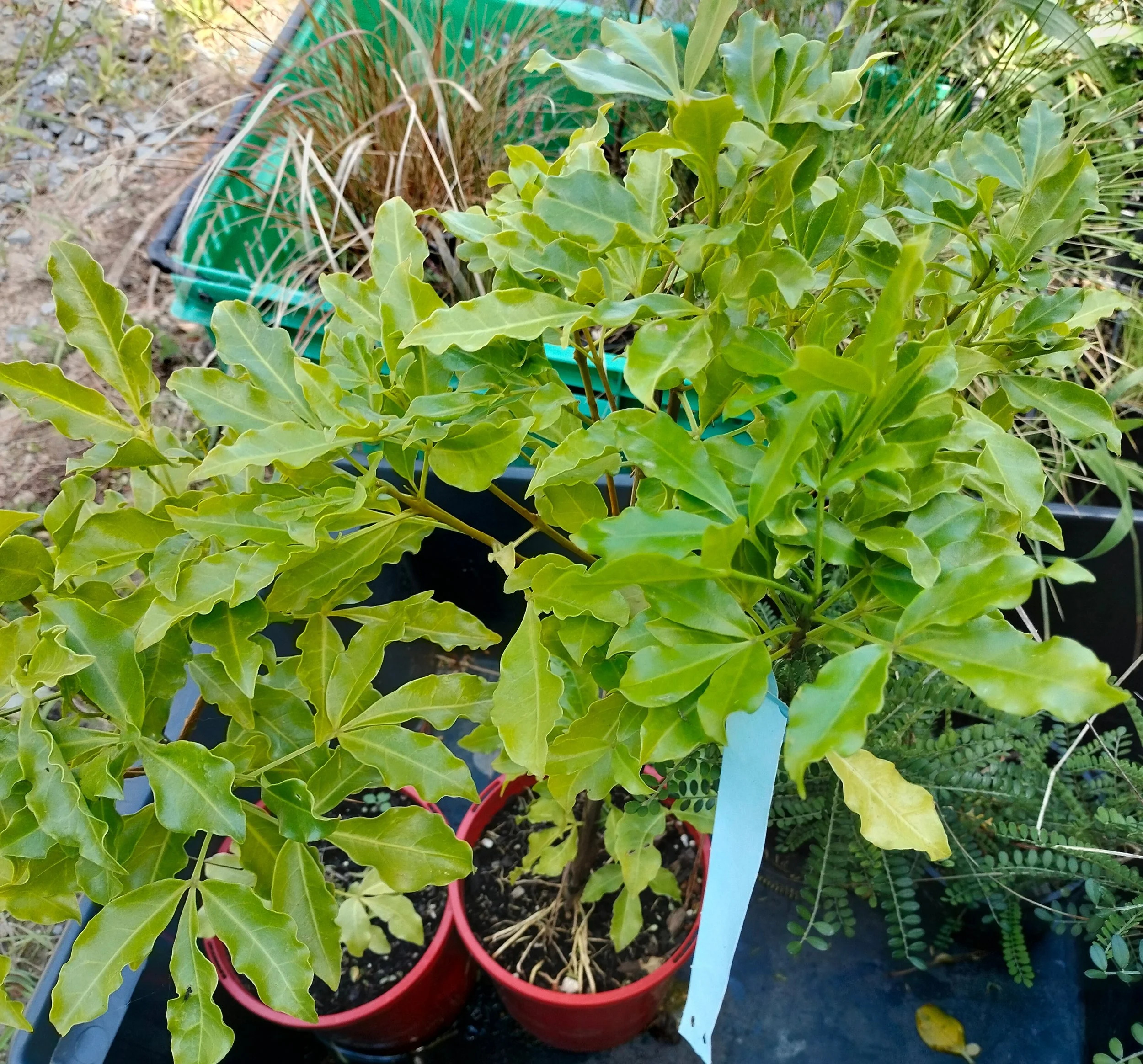
Wharangi Melicope ternata is a NZ native coastal shrub with bright, lime-green foliage and citrus-scented leaves.
6. Grow biodiversity from the ground up. A thriving garden is more than what you can see. Below the soil, mycorrhizal fungi form networks that support plant health. At ground level, insects and invertebrates find food and shelter. Above, birds and lizards move through a living landscape. Each new plant adds another thread to this web. Together, they create a community.
7. Protect soil and water. Plant roots bind soil and slow the movement of water across the surface. This means fewer nutrients washing away in heavy rain, less runoff reaching waterways, and reduced risk of erosion on slopes or disturbed ground — all of which matter a great deal in Wellington's hilly, sometimes unstable terrain.
8. Play a part in mitigating climate change. Plants sequester carbon as they grow, storing it in roots, trunks, and soil. On a neighbourhood scale, urban planting also reduces heat, improves air quality, and builds the kind of ecological resilience that helps communities adapt to a changing climate.
Wild about Weeds can prep the soil, source plants, and get them in the ground.
Every action helps, no matter how small.
Learn more Wellington ecological restoration experts Te Motu Kairangi explaining the reasons for planting natives.